
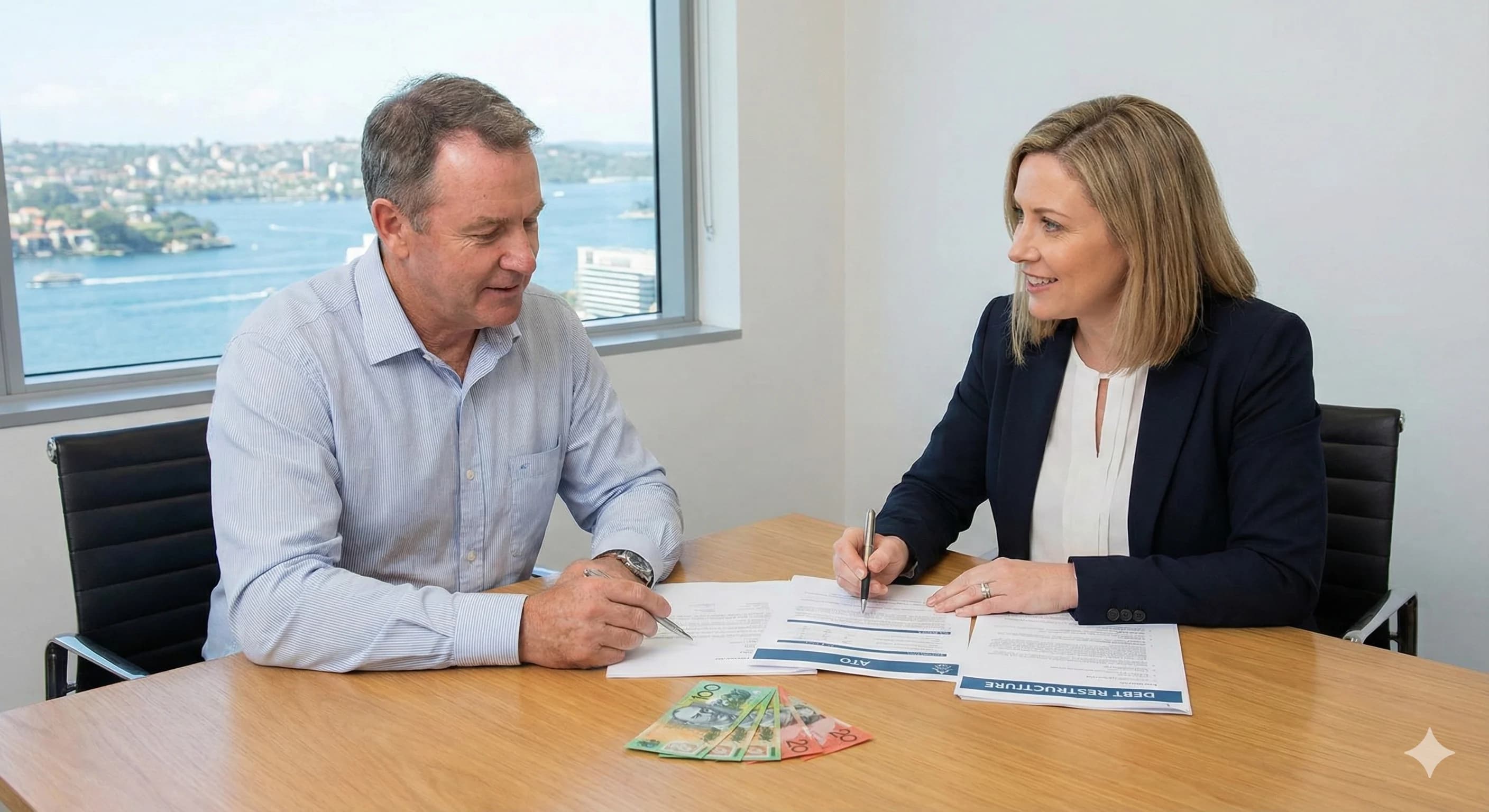
How to Avoid Liquidation in Australia
By Catalyst Executive Group - Business Turnaround & Recovery Specialists
Introduction
Liquidation is the final, irreversible stage of business failure. It involves selling all assets, ceasing operations, and winding up the company under the control of a liquidator. For many business owners, liquidation feels like an inevitable outcome when cash flow collapses, creditors apply pressure, or the ATO takes action.
However, in Australia, liquidation is not the automatic next step when a business is in distress. In fact, most liquidations can be avoided if owners act early and take a structured approach to stabilisation, negotiation, and restructuring.
This guide outlines the commercial, financial, and legal strategiesbusinesses can use to prevent liquidation based on turnaround methodologies used by restructuring firms, insolvency practitioners, and corporate advisory groups.
Section 1: Understanding What Causes Liquidation
Liquidation is not caused by a single event but by a sequence of unresolved issues. Most businesses that end up in liquidation share common patterns:
1. Cash Flow Failure
- Declining revenue
- Poor collections
- Excessive overheads
- High debt servicing costs
2. Unsustainable Liabilities
- ATO debt escalation
- Trade creditor pressure
- Loan defaults
3. Insolvent Trading Risk
Directors may panic and stop making decisions due to fear of personal liability.
4. Delayed Action
Owners often wait too long before seeking help, reducing the number of options available. In most cases, liquidation is not inevitable it is simply the result of inaction.
Section 2: Key Indicator Checklist. Are You at Risk of Liquidation?
A business may face liquidation if:
- Trade creditors have issued statutory demands
- ATO has issued garnishee notices or DPN warnings
- Weekly cash flow is negative
- The business cannot meet wages or BAS obligations
- Directors are worried about insolvent trading
- Sales are declining significantly
- Supplier credit terms have been revoked
If two or more of these indicators are present, immediate intervention is essential.
Section 3: The Five Pillars of Avoiding Liquidation in Australia
Avoiding liquidation requires a coordinated plan across five core areas:
1. Financial Stabilisation (Immediate Cash Management)
The first objective is to stop the bleeding and restore liquidity.
Priority Actions:
- Build a 13-week cash flow forecast
- Identify critical vs non-critical expenses
- Stop discretionary spending immediately
- Renegotiate payment terms with key suppliers
- Review unprofitable product lines
- Assess asset sale opportunities (non-core assets)
Outcome:
A stabilised cash position that buys the business time to execute a broader turnaround strategy.
2. Creditor & ATO Negotiation
Creditors prefer payment over liquidation. ATO prefers structured repayment over forced wind-up.
Owners often assume creditors and the ATO are hostile, but in practice:
- ATO approves hundreds of thousands of payment plans every year
- Suppliers will often negotiate to avoid losing a customer
- Landlords may restructure leases to retain occupancy
Key Negotiation Strategies:
- Present a clear restructuring plan
- Request formal payment arrangements
- Offer part-payments to demonstrate goodwill
- Prioritise essential creditors (GST, PAYG, super, key suppliers)
- Request interest remissions or penalty reductions
Proactive communication reduces the risk of legal escalation.
3. Cost Reduction & Operational Reset
Many distressed businesses can avoid liquidation by implementing an immediate operational reset.
Assess:
- Staffing levels
- Pricing and margin structure
- Inventory costs
- Supplier contracts
- Overheads
- Inefficient processes
Actions:
- Streamline workflows
- Remove duplicated roles
- Outsource non-core functions
- Cancel underutilised subscriptions and services
- Renegotiate recurring contracts
- Reduce COGS through supplier consolidation
Objective:
Restore the business’s break-even point to a manageable level.
4. Business Model Review & Strategic Turnaround
A failing business often needs a new model, not just better management.
Strategic Areas to Review:
- Product/service profitability
- Customer segments
- Sales channels
- Pricing structure
- Competitive environment
- Market trends
- Technology and automation opportunities
Turnaround Strategy May Include:
- Repositioning the value proposition
- Rebuilding the sales pipeline
- Consolidating product lines
- Targeting higher-margin segments
- Introducing new recurring revenue models
A turnaround is successful when the redesigned model produces sustainable profit.
5. Safe Harbour & Legal Protection (If Necessary)
Australia’s corporate framework provides directors with legal protections that can help avoid liquidation, particularly Safe Harbour provisions.
Safe Harbour Overview:
Safe Harbour protects directors from personal liability for insolvent trading if they are developing or implementing a genuine restructuring plan.
Eligibility Indicators:
- Business can meet employee entitlements
- BAS/ATO obligations are being addressed
- Directors take proper advice
- A clear plan exists to avoid liquidation
Why This Matters:
Directors can continue trading while restructuring the company without fear of personal liability, as long as they follow the framework.
Section 4: The “Avoid Liquidation” Decision Map
Businesses should follow this sequencing mode
Step 1: Assess Financial Position
Cash flow, liabilities, runway, insolvency risk.
Step 2: Identify Stabilisation Levers
Quick wins that can free up cash within 7–14 days.
Step 3: Engage Stakeholders Early
Creditors, ATO, suppliers, lenders.
Step 4: Implement a 90-Day Turnaround Plan
Operational, financial, and strategic restructuring.
Step 5: Review Business Viability
If the business becomes cash-flow positive, continue. If not, evaluate alternative restructuring options (e.g., small business restructure, DOCA).
This sequence prevents reactive decisions that lead to liquidation.
Section 5: Why Most Businesses Liquidate (And How to Prevent It)
1. Owners wait too long.
By the time they seek help, insolvency has already escalated.
2. No restructuring plan exists.
Without direction, cash flow spirals.
3. Failure to communicate with creditors.
Silence leads creditors to take legal action.
4. Emotional decision-making.
Owners panic, freeze, or disengage.
5. Lack of external support.
Most businesses don't have the internal capability for turnaround.
The solution: move early, act decisively, and follow a structured recovery framework.
Section 6: When Liquidation Cannot Be Avoided
While many businesses can recover, liquidation may be unavoidable when:
- The business model is no longer commercially viable
- Debt levels exceed enterprise value
- Sales have collapsed with no path to recovery
- Directors cannot continue meeting obligations
- Creditors reject all repayment proposals
- Insolvent trading risk is extreme
In these cases, an orderly winding up is safer than prolonging distress.
Conclusion
Liquidation is not inevitable, it is usually the result of delayed action, lack of clear strategy, and absence of expert support. In Australia, multiple legal, financial, and operational mechanisms exist to avoid liquidation, but they only work when implemented early.
Businesses that stabilise cash flow, negotiate with creditors, reduce cost bases, and undergo strategic restructuring can often return to viability, preserve jobs, protect directors, and ultimately rebuild enterprise value.
Catalyst Executive Group works with distressed businesses through an equity-based turnaround model, sharing risk, implementing structured recovery plans, and restoring long-term profitability